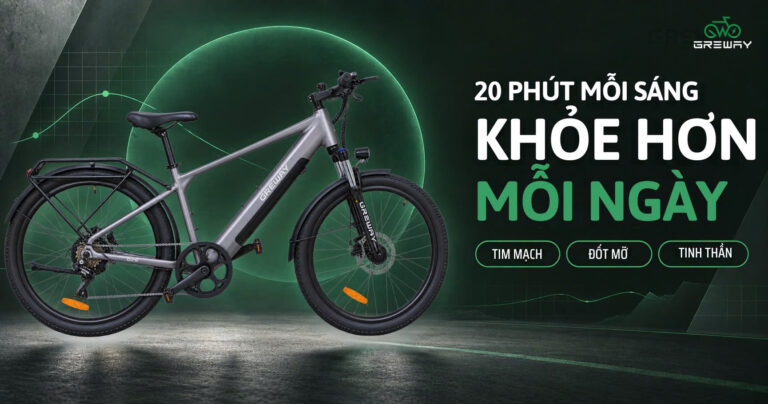
The Lithium battery is the most valuable component of an electric assist bike (e-bike). Improper use and charging not only cause rapid capacity degradation but also negatively affect the durability of the motor. Below are the standard technical principles to help maintain optimal battery lifespan.
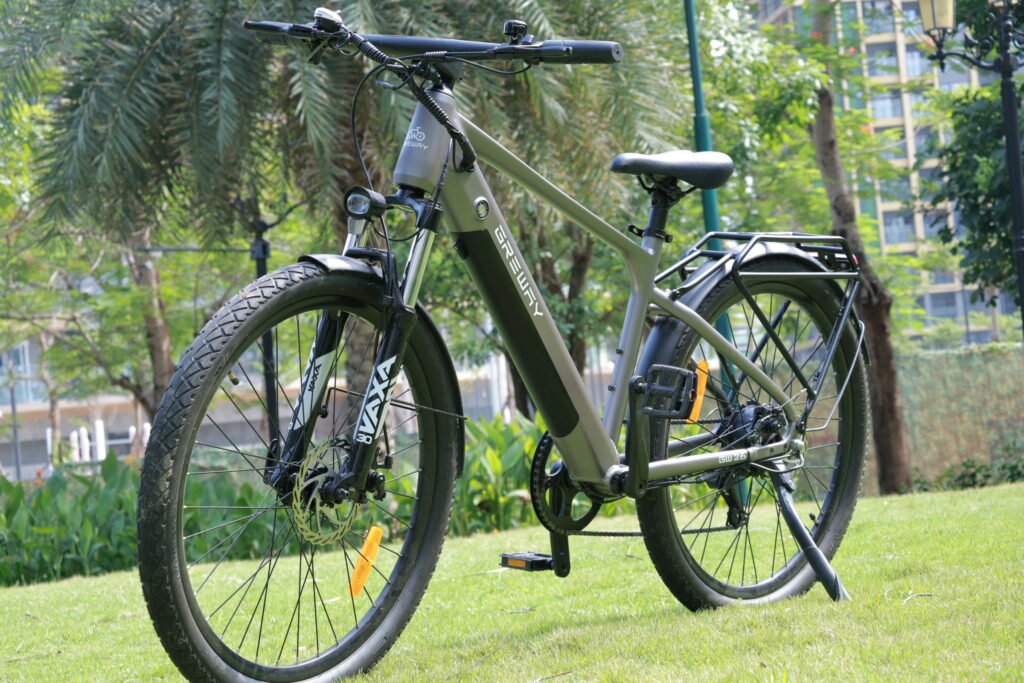
1. Technical Principles for Proper Battery Charging
- Do not wait until the battery is completely drained to charge it: Lithium batteries do not suffer from the “memory effect” like older lead-acid batteries. Frequently discharging the battery to 0% will rapidly accelerate cell degradation. The ideal time to plug in the charger is when the remaining capacity is around 20% – 30%.
- The correct plugging sequence: Always connect the charger to the battery (or the charging port on the bike) first, then plug the power cord into the wall outlet. When unplugging, do the exact reverse: disconnect from the wall outlet first, then remove the charger from the battery. This sequence helps prevent sparks caused by sudden voltage spikes.
- Use the original, genuine charger: Each charger is engineered with precise voltage (V) and current (A) specifications for its specific battery pack. Using a charger with mismatched specifications can easily cause battery swelling, damage the BMS (Battery Management System) board, or present a fire hazard.
- Never charge immediately after a long ride: After traveling a long distance, the internal temperature of the battery pack is high. Allow the battery to cool down naturally for about 15 – 30 minutes before connecting it to the charger.

2. How to Store the Battery During Long Periods of Inactivity
If you are going away or rarely use your bike for several weeks to months, please keep the following in mind:
- Maintain the charge level at 50% – 70%: Never store the battery when it is fully charged at 100% or completely depleted at 0%. The ideal storage energy level for a resting Lithium cell is around the midpoint of its capacity.
- Store in a cool, dry place: Keep the battery away from direct sunlight or areas where temperatures exceed 40°C. High temperatures are the absolute enemy of the battery, causing the chemicals inside to deteriorate.
- Perform periodic charging: Even when idle, batteries experience a slight self-discharge. Make sure to check and recharge the battery back to the 50% – 70% level every 1 – 2 months.
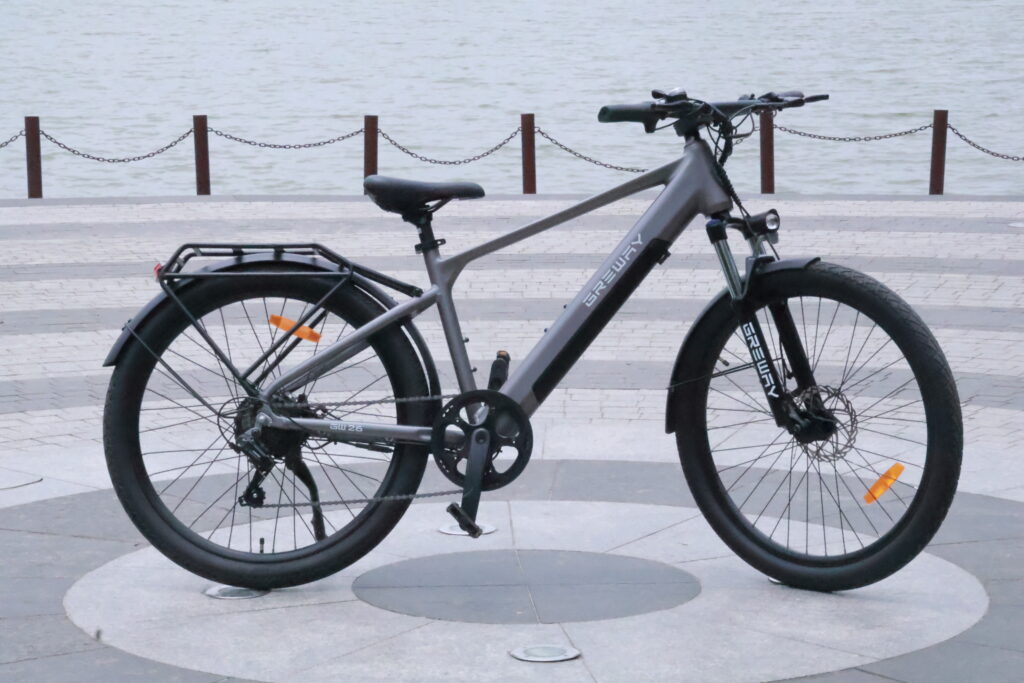
3. Bad Habits to Avoid At All Costs
- Continuous overnight charging without an auto-cutoff mechanism: Although most modern chargers feature an automatic shutoff, keeping the battery plugged in for too long under unstable grid voltage conditions still poses a risk to the internal circuitry.
- Spraying water directly into the battery compartment while washing the bike: While e-bike batteries are generally water-resistant, high-pressure water from a car wash hose can force its way past the rubber seals, causing a short circuit.
Taking proper care of a Lithium battery is not complicated, but it is the deciding factor in ensuring your electric assist bike operates reliably while saving you maximum replacement costs down the road. Start applying these simple habits today to ensure your commuting experience is always safe and flawless. If you have any further technical questions or need deep advice on bike maintenance, don’t hesitate to contact us immediately for dedicated support!